Cancer Surgeon in Delhi: Expertise, Innovation, and Compassionate Cancer Care
Cancer remains one of the most complex and emotionally challenging diseases in modern medicine. For patients and families, the journey involves more than medical treatment alone — it requires trust, precision, and hope. At the intersection of advanced technology and compassionate care stands the Cancer Surgeon in Delhi, a highly trained specialist who plays a central role in the multidisciplinary management of cancer. Through surgical expertise and patient advocacy, cancer surgeons help create pathways toward recovery, symptom relief, and improved quality of life.
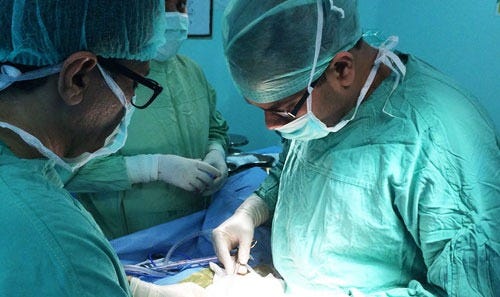
Who Is a Cancer Surgeon?
A cancer surgeon, also known as a surgical oncologist, is a medical professional specialized in the diagnosis and surgical treatment of cancer. Their role includes performing biopsies to confirm cancer diagnosis, surgically removing tumors along with surrounding healthy margins, and assessing lymph nodes to determine disease spread. A Cancer Surgeon in Delhi works closely with medical oncologists, radiation oncologists, pathologists, and radiologists to design a comprehensive, individualized treatment plan.
Becoming a cancer surgeon requires extensive training. After completing medical school and general surgery residency, surgeons undergo specialized fellowship training in surgical oncology. This rigorous process equips them to manage complex cancers across different organ systems and stages.
Role of a Cancer Surgeon in Patient Care:
The responsibilities of a cancer surgeon extend well beyond the operating room. They are involved at multiple stages of a patient’s cancer journey:
- Diagnosis and Biopsy: Cancer surgeons often perform tissue biopsies that confirm cancer type and grade.
- Surgical Treatment: Surgery remains a cornerstone of cancer care, with the aim of curing disease or relieving symptoms.
- Multidisciplinary Collaboration: Surgeons work as part of a team to ensure comprehensive and coordinated care.
- Patient Counseling: Clear communication, explaining risks and benefits, and helping patients make informed decisions is a key part of their role.
Types of Cancer Surgeries Performed:
A Cancer Surgeon in Delhi performs a wide range of procedures based on cancer type, stage, and patient health:
- Curative Surgery: Complete removal of the tumor with safe margins, such as mastectomy or colectomy.
- Debulking Surgery: Reducing tumor size when complete removal is not feasible, enhancing the effectiveness of chemotherapy or radiation.
- Palliative Surgery: Performed in advanced cancers to relieve pain, obstruction, or discomfort.
- Reconstructive Surgery: Restoring form and function after tumor removal, including breast or facial reconstruction.
- Minimally Invasive and Robotic Surgery: Laparoscopic and robotic techniques allow smaller incisions, less pain, and faster recovery.
Technological Advances in Cancer Surgery:
Modern surgical oncology has evolved rapidly with technological innovations. Cancer surgeons now use robotic-assisted surgery for greater precision, laser surgery to target tumors with minimal tissue damage, and cryosurgery to destroy cancer cells using extreme cold. Techniques such as sentinel lymph node biopsy and intraoperative radiation therapy (IORT) help minimize complications while improving treatment accuracy.
Challenges Faced by Cancer Surgeons:
Cancer surgery presents unique challenges, including operating in anatomically complex areas, managing advanced-stage disease, and balancing surgical benefits against potential risks. Additionally, the emotional weight of treating cancer patients requires resilience, empathy, and ongoing professional growth. Continuous learning is essential, as cancer treatment protocols and technologies evolve rapidly.
Choosing the Right Cancer Surgeon:
Selecting the right Cancer Surgeon in Delhi is a critical decision. Patients should consider the surgeon’s experience with specific cancer types, verified credentials, access to advanced hospital facilities, and clear communication skills. A skilled surgeon not only treats the disease but also supports patients with honesty, compassion, and confidence throughout their care journey.


Comments
Post a Comment